
Not every water filter removes PFAS and microplastics. It comes down to how fine the filter is. Basic jug and fridge filters use carbon. Carbon is good at fixing taste, but it is too coarse to catch most PFAS or the tiniest plastic bits. Reverse osmosis uses a much finer membrane. That membrane can block both. This is why reverse osmosis is the top pick for homes that want to cut down on both.
Two Contaminants, One Growing Question
People read a headline about forever chemicals or plastic bits in tap water. Then they wonder if the filter on their counter is doing anything at all. It is a fair question, and it deserves a proper answer.
PFAS stands for per and polyfluoroalkyl substances. These are manmade chemicals used since the 1940s in things like nonstick pans, waterproof fabric, and firefighting foam. People call them forever chemicals because their bond is one of the strongest known. That bond means they take decades to break down.
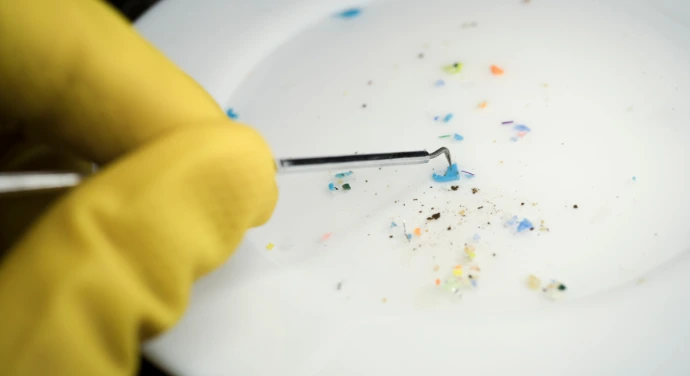
Microplastics are something different. They are tiny bits of plastic, usually smaller than five millimetres. They come from packaging, clothing fibres, and old plastic waste that breaks down over time. PFAS and microplastics often show up together in water tests. That is because they come from similar places. But they act very differently once they reach a filter.
What the Data Actually Shows
The World Health Organisation has looked closely at this. Its review found that fine membrane filters work very well at removing plastic bits from water. The reason is simple.
A reverse osmosis membrane has pores so small they are measured in nanometres, a scale far below what the eye or even most lab tools can see. That is roughly ten thousand times smaller than the tiniest plastic bit we can find. Plastic simply cannot get through. Tests often show removal rates of ninety nine percent or more, even for the smallest bits that standard filters miss.

PFAS work a bit differently. They dissolve in water rather than floating as solid bits. Even so, reverse osmosis still does a strong job. Tests often show removal rates between eighty five and ninety nine percent.
Where Basic Filters Fall Short
It helps to know why a jug or fridge filter cannot do this job well. These filters rely almost entirely on carbon. Carbon works by trapping things on its surface as water flows through. It does a good job with chlorine taste and smell, and with some larger compounds. But its pores are measured in microns, not nanometres. That is far too coarse to reliably catch PFAS or the smallest plastic bits. A jug filter is not doing nothing. It is just not built for this job.
The Filtration Solution
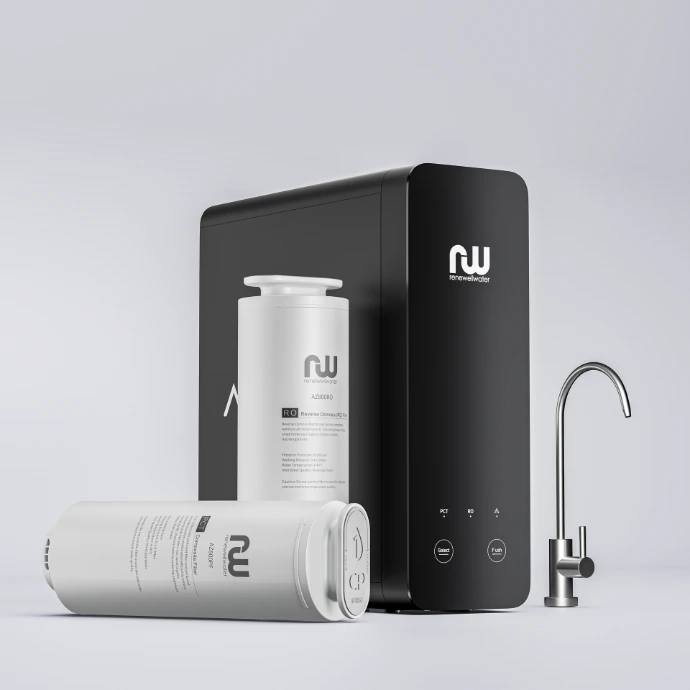
Reverse osmosis is what I recommend if you are worried about PFAS and microplastics at home. Renewell Water's ArkkZ system uses a multistage membrane that blocks these two along with chlorine, lead, nitrates, and much more, a level basic carbon jugs cannot match.
Frequently Asked Questions
Can boiling water remove PFAS or microplastics?
No. Boiling does nothing to PFAS. It does not remove plastic bits either. Boiling only kills germs like bacteria. That is why boil notices are about germs, not chemicals or plastic.
Do all reverse osmosis systems perform the same?
No. Membrane quality, filter stages, and certification all vary between systems. Look for NSF or WQA test data. That is the best way to compare real performance, not marketing claims.
The Bottom Line
PFAS and microplastics are two of the most talked about topics in water science today. The good news is the technology to deal with both already exists. Reverse osmosis is not just a buzzword here. It is a well studied method with a clear reason why it works. That is also why it beats basic carbon filters for these two substances. If you want to know more about your own water, testing is always the smart first step before choosing a system.
Renewell Water offers a free consultation for you. Book it by clicking here.