
A working water softener should eliminate limescale buildup, allow soap to lather freely, and keep your appliances running smoothly. If you're noticing white deposits returning to your taps, clothes feeling stiff after washing, or your kettle scaling up again, your softener may need attention.
What Does a Softener Actually Do?
A water softener removes the mineral ions that cause hard water: primarily calcium and magnesium. When it's working properly, you should notice changes almost immediately. Your dishes come out spotless from the dishwasher. Your clothes feel softer. Soap lathers richly. Your kettle stays clean. Your skin feels less tight after showering. These aren't cosmetic improvements. They're signs that the chemistry of your water has fundamentally changed.
Signs that it's not working properly
Sign 1: Limescale is Back
White, chalky deposits around taps, showerheads, and inside appliances are the most obvious red flag. If you installed a softener three years ago and your kitchen tap was pristine for two years, but now you're seeing white limescale crusting up again, something has changed.
The buildup doesn't return overnight. It's gradual. One month you notice a thin line around the aerator. Three months later, you're scrubbing your bathroom mirror because the water spots are so thick.
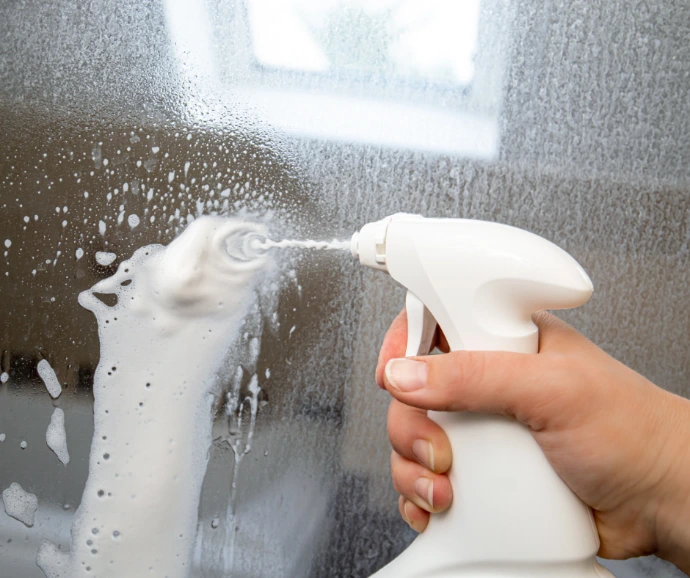
Limescale forms when hard water minerals are allowed to accumulate on surfaces. A working softener prevents this almost entirely. If you're seeing significant deposits, your softener is not removing minerals the way it should be.
Why this happens: The most common causes are salt depletion, a stuck regeneration cycle, or a mechanical failure in the valve that controls the softening process.
Sign 2: Soap and Shampoo Won't Lather
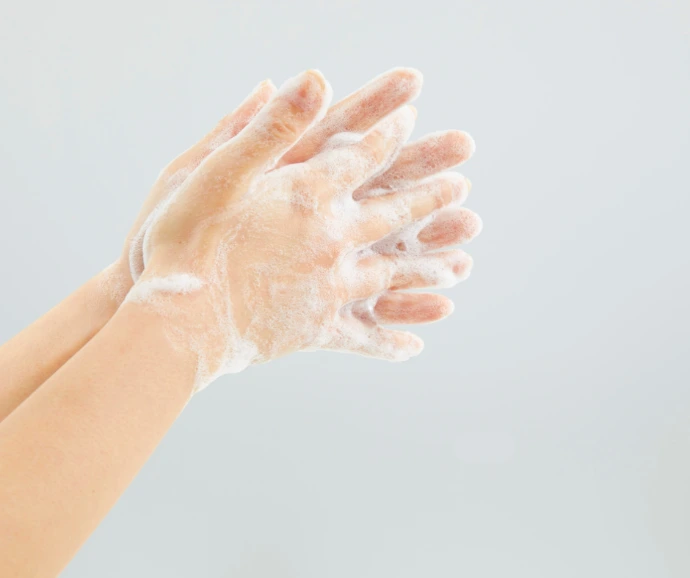
If you need twice as much soap to get a lather, your water is hardening again. Soap chemistry depends on soft water. In hard water, the minerals bind to soap molecules and prevent them from creating bubbles. If this starts happening in your own home after years of normal lathering, it's a sign that hardness is creeping back into your water supply. Your family will notice it before you do. Your teenager complains that the shower gel isn't working. Your partner mentions needing more shampoo than usual. These aren't coincidences. They're your water telling you something is wrong.
Sign 3: Your Clothes Feel Stiff and Dull After Washing
Clothes that feel rough or dull after the wash cycle often indicate that hard water minerals are back. Hard water and laundry don't mix well. The minerals interfere with how detergent works, leaving deposits on fabric fibres. Over time, clothes feel scratchy, colors fade faster, and whites start to grey. When your softener is working properly, your laundry feels softer. Colours stay vibrant. Whites stay white. If your washing suddenly feels different, especially if it gradually becomes stiffer or duller over weeks, your softener efficiency is likely dropping.
Sign 4: Your Kettle and Appliances Are Scaling Up Again
If limescale is building inside your kettle faster than it used to, your softener may be failing. When you first installed your softener, your kettle stayed clean for months.
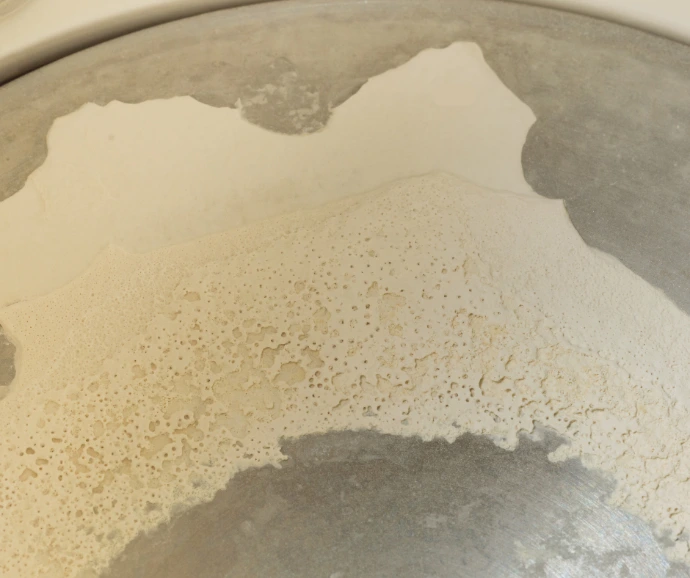
Now, after just a few weeks, you're seeing white buildup inside again. You're descaling more frequently. Your kettle is heating less efficiently. The same thing happens inside your washing machine, dishwasher, and boiler, even if you can't see it. Scale on a boiler is particularly serious because it reduces efficiency and can eventually damage the element or heat exchanger. If your appliances need descaling more often than they used to, that's a strong sign your softener has lost effectiveness.
Sign 5: Your Water Suddenly Tastes or Smells Different
A sudden change in water taste or smell can indicate a problem with the softener's salt tank or resin bed. Soft water has a slightly different taste than hard water. It's subtly rounder, cleaner.
If you've been drinking softened water for a year and suddenly it tastes metallic, salty, or unusual, something has shifted inside your system. This can happen if salt has gotten contaminated in the brine tank, the resin bed is starting to break down, or there's a mechanical issue allowing untreated water through. Don't ignore changes in water taste. They're often early warning signs of a deeper problem.

Sign 6: The Regeneration Cycle Has Stopped or Changed
If your softener isn't regenerating on its normal schedule, it can't remove the hardness minerals anymore. Most modern water softeners regenerate automatically, usually overnight. You might hear the system running, or you might notice the water flow changing slightly. If regeneration stops happening, your softener becomes a very expensive lump of plastic and steel sitting under your sink. The easiest way to check this is to look at your softener's control panel or app. Does it show regeneration cycles happening every few days or every week? If the cycles have stopped, that's a problem.
What Causes a Water Softener to Stop Working?
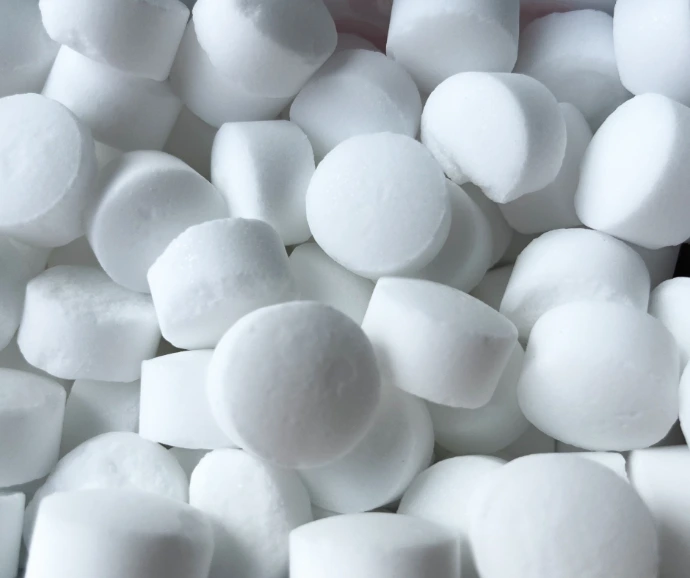
The most common culprit is salt depletion. Your softener needs salt to regenerate. If you're not topping up the brine tank regularly, the system eventually runs out of salt and stops softening. Check your salt levels weekly.
Salt can also become caked or contaminated with sediment, blocking the brine solution from mixing properly so regeneration fails. Regular maintenance, like flushing the tank annually, prevents this.
Over 10 to 15 years, the resin beads inside the softener can wear out and stop working efficiently. Resin is replaceable, but it requires a professional. The valve controls how water flows through the softener during different cycles. If it gets stuck or fails, the system can't regenerate or deliver softened water. This usually requires professional repair.
The Bottom Line
A water softener is only valuable if it's actually working. The good news is that a working softener sends very clear signals: no limescale, soft laundry, lathering soap, and clean appliances. If those signals fade, don't ignore them. Some problems are simple to fix. Others need professional attention. But all of them get worse if you wait.
We're Ireland's Number 1 rated water filtration company, and we've helped thousands of homes get their water right. If you're unsure whether your softener is working properly, the best move is to have it checked by professionals who can test your water, run diagnostics, and give you a clear answer. You can check out our customer reviews to see what families are saying about their experience with us.
If you don't have a water softener yet, check the Blu Water Softener.
Renewell Water offers a free consultation for you. Book it by clicking here.