
In your first week, change the locks, take meter readings, test your smoke alarms and check your home insurance. In the first month, update your address and find out about your water. Book a boiler service before winter. Most importantly, check your water hardness. If it is hard, fit a water softener early, before limescale builds up in your new appliances.
The day you get the keys is a happy blur. There are boxes in every room, a long list of things to buy and a debate about paint that never quite ends. It is easy to feel like you should sort everything at once.
Why does the first year in a new home matter so much?

The first year is when you set up the house for the next ten. You are choosing a kitchen, fitting a bathroom, buying a washing machine and learning how everything works. Decisions made now are cheap. The same decisions made in five years often mean pulling things out.
Water is a good example. Hard water is very common in Ireland's drinking supply, according to Uisce Éireann. It is safe to drink, and they are clear on that. When it is heated, though, it leaves a chalky white layer called limescale inside kettles, appliances and heating systems. Every new machine you buy this year will live with that water for years.
If you have moved to Ireland from abroad, this may be new to you. The water here can behave very differently to the water you grew up with.
What should you sort in the first week?
- Take meter readings. Photograph your electricity and gas meters on day one, so your first bills are right. Then set up your accounts.
- Find your stop valve and fuse board. Know where they are before you need them. The stop valve is often under the kitchen sink or near where the water pipe comes in. Show everyone at home, including older children.
- Test your smoke alarms. Press the test button on each one. If you have a gas boiler, a stove or an open fire, make sure you have a carbon monoxide alarm too.
- Check your home insurance. Make sure your cover starts from the day you get the keys.
- Sign up for water alerts. Uisce Éireann runs a free text service that tells you about outages in your area.
What should you sort in the first month?
- Update your address. Tell your bank, employer, GP and school.
- Sort your bins. Sign up with a local waste collector.
- Find out who supplies your water. Public supply, group scheme or private well? The seller can usually tell you.
- Check your water hardness. Enter your Eircode on the Uisce Éireann hard water page. Our guide on whether hard water is a problem where you live explains the numbers.

- Check older homes for lead pipes. Lead was used in plumbing until the end of the 1970s, says the EPA. If in doubt, ask a plumber or follow Uisce Éireann's guide.
- Test your well. The EPA advises a test at least once a year, ideally after heavy rain.
What should you sort before the new kitchen or bathroom goes in?
This is the stage where a little planning saves a lot of money.
- Walk through the plan with your fitter. Check where sockets, lights and storage will go. It is much harder to move them once the tiles are up.
- Plan a spot for a water softener. A whole house softener sits where the main water pipe comes into your home. It needs a drain close by and a plug socket. It is far easier to plan this while the fitters are still there.
- Tell your plumber early. A few words at the planning stage can save you moving presses or pipes later.
Why is water the point most new homeowners miss?
Because you cannot see the damage. The crust in the kettle is easy to spot, but the real problem is the scale building up inside the machines you just bought. In a Battelle Memorial Institute study for the Water Quality Association, new dishwashers and washing machines ran on hard and softened water. After 30 days of sped up testing, the softened ones were almost free of scale. The ones on hard water had scale on every inside surface.
The test used very hard water and a fast timeline, so your home will not change that quickly. The direction is the same, though. Here is where it shows up at home.
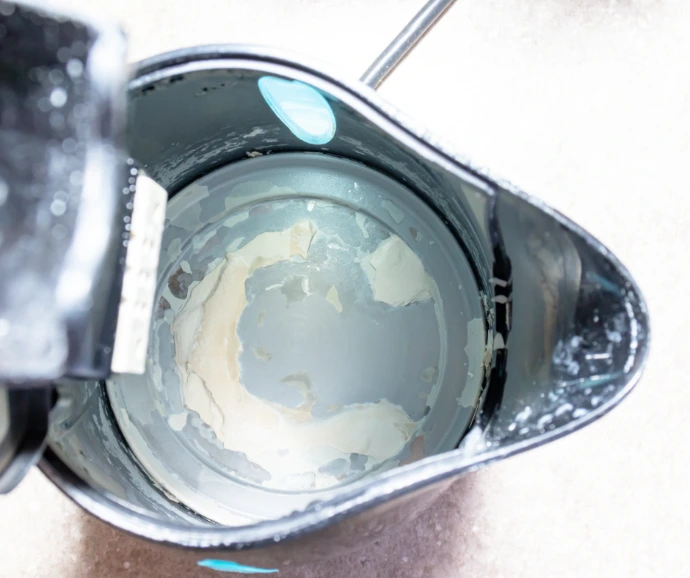
Your kettle and coffee machine. These heat water all day long, so they scale up fast. You will see flakes floating in your tea long before the kettle gives up.
Your dishwasher. Many dishwashers have a small softener built in, as Uisce Éireann points out. It only protects the dishwasher, though, and it needs its own salt topped up.
Your washing machine. Scale builds up inside the machine, including on the heating element. Detergent also works less well in hard water, so you may find yourself using more.
Your shower and taps. Low flow shower heads and taps on hard water clogged up during testing. The ones on softened water got through with no problems at all. That matters if you have just fitted a lovely new rainfall shower.
What should you sort by the end of year one?
- Service your boiler. Book it before the cold weather arrives, and make it a yearly habit.
- Clear the gutters. Autumn leaves block them fast, and overflowing gutters can lead to damp.
- Read your BER advice. Your BER cert comes with an advisory report. It is a handy list of ways to save energy.
- Look inside your kettle. A clean kettle after a year is a good sign. A crusty one tells you the rest of your home is scaling too. Our guide to the signs of hard water in your home shows what else to look for.
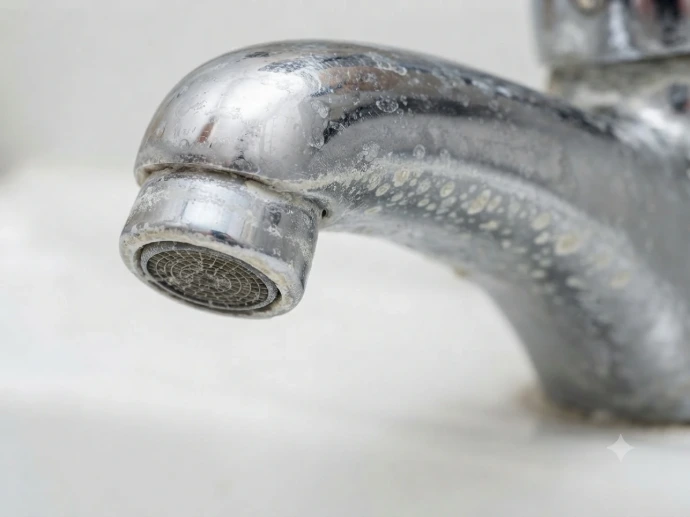
- Check your shower head. Weak or uneven spray is often scale in the nozzles.
- Test your well again. Make it a yearly habit, just like the boiler.
Why is day one the best time to fit a water softener?
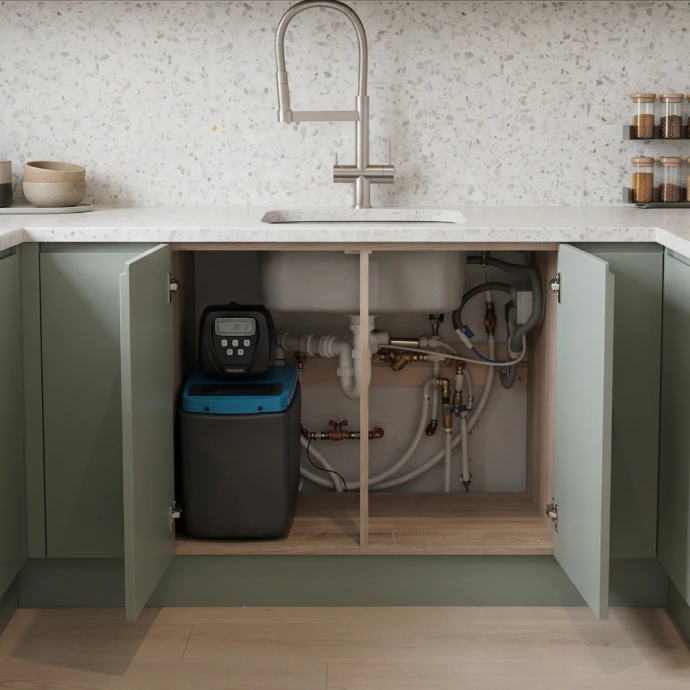
Because there is nothing to undo. A softener stops new limescale from forming. It is much easier to keep a new dishwasher clean than to rescue one that has been scaling for five years.
Timing matters for the install too. When you are already changing the kitchen or utility, finding space and a drain is simple. Once everything is tiled and fitted, it can mean more work.
A whole house softener also covers everything at once. Every tap, shower, appliance and your hot water get softened water from the moment it enters the house. You are not relying on one small built in softener in one machine.
Which water softener suits a new family home?
For a busy family home with hard water, I would look at the Blu Maxi Water Softener. It is installed on the main water supply, so your whole house is covered. It uses a Clack valve and regenerates on its own based on how much water you use. Professional installation is included across Ireland and Northern Ireland.
Renewell Water is Ireland's Number 1 rated water filtration company, and you can read what other families say in our customer reviews. New home, new appliances, and water that looks after them from day one.
Renewell Water offers a free consultation for you. Book it by clicking here.