
A shower filter treats water at one shower head. It mostly reduces chlorine. A water softener treats water for your whole home. It removes the calcium and magnesium that cause hardness. Neither one is better in every case. It depends on the problem you want to fix, and how much of your home you want to protect.
Why This Comparison Comes Up So Often
Water hardness varies a lot across Ireland and the UK. The EPA tracks drinking water quality each year. Large parts of Ireland sit in the moderate to hard water range. This is common in areas with limestone rich groundwater. Chlorine levels in mains water also vary by region and season. Both issues are common. So homeowners often pick between a shower filter and a water softener without knowing what each one does.
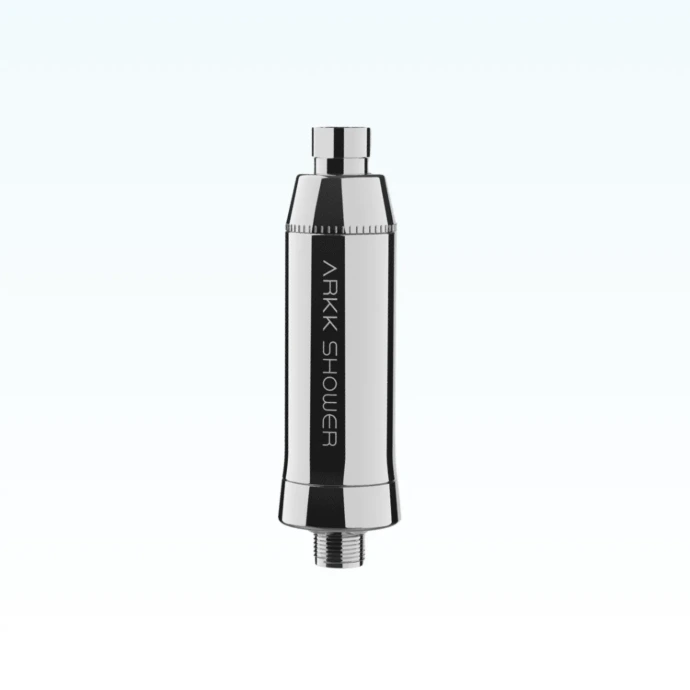
What a Shower Filter Actually Does
A shower filter is a small unit. It fits onto your shower head. Most are built to reduce chlorine and some sediment as water passes through. They work at just one point in the house. They are cheap and easy to fit yourself. They can change how your shower smells within days.
The catch is scope. A shower filter does nothing for your kitchen tap, washing machine, dishwasher, or boiler. It also does not remove the calcium and magnesium that cause hardness.
If chlorine taste or smell is your only concern, a shower filter can genuinely help. If limescale or appliance wear is the issue, it will not touch that.
What a Water Softener Actually Does
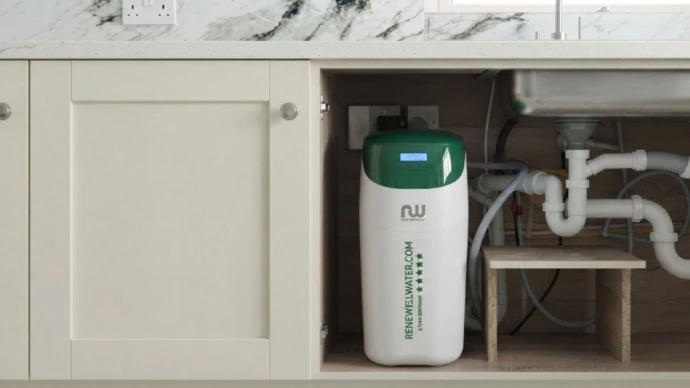
A water softener works in a different way. It sits where mains water enters your property. It treats water before it reaches any tap, shower, or appliance. It swaps out the hardness minerals for sodium. This gives you soft water throughout the whole home.
A softener treats water at the source. So the benefits reach every room. Soap and shampoo work the way they should. Kettles, washing machines, and boilers are protected from limescale over time. A softener costs more upfront than a shower filter. It also needs professional installation. But it deals with the actual cause of hardness, not just one symptom in one room.
The Honest Comparison
Shower filter | Water softener | |
|---|---|---|
Where it works | One shower head | Whole home |
What it reduces | Mostly chlorine | Hardness minerals |
Effect on plumbing | None | Reduces scale over time |
Effect on appliances | None | Cuts limescale buildup |
Upfront cost | Low | Higher |
Installation | Fit it yourself | Professional install |
Ongoing maintenance | Replace cartridge | Top up salt |
Neither choice is wrong. A shower filter is a fair, low cost option if chlorine is your only concern. It also suits renters who cannot fit permanent equipment. A water softener is the fuller answer if hardness affects more than one part of your home. It is a better fit if you want a long term fix rather than a quick one.
My Recommendation
Start with what you are actually trying to fix. If it is only the smell or taste of chlorine in your shower, a shower filter may be enough on its own. If you are also dealing with limescale on taps, a kettle that scales up fast, or appliances wearing out early, that points to hardness. A whole home softener is the more complete fix in that case. Our Green Water Softener is built for exactly that. It treats water as it enters your home, so every tap and appliance benefits.
You can read genuine customer reviews on our site at renewellwater.com/reviews.
A Quick Final Thought
Most people do not think about water quality until it causes a problem. That might be a scaled up kettle. Or an appliance that fails early. Or a shower that never smells quite right. My advice stays the same. Find out what is actually in your water first. Then pick the fix that matches the real cause, not just the cheapest option.
Renewell Water offers a free consultation for you. Book it by clicking here.