
Choose a water softener if limescale, dry skin, and worn appliances are your main concerns. Choose reverse osmosis if you want cleaner, better tasting water at the kitchen tap. Many Irish families end up needing both.
Over the years, I have sat at many kitchen tables with families asking the same question. Should we fit a water softener, or a reverse osmosis system? The honest answer is that they do different jobs. Choosing well starts with knowing which problem you are trying to solve.
Why does household water need two different solutions?
Water scientists usually split household water concerns into two groups. The first is hardness. It comes from dissolved calcium and magnesium that water picks up as it moves through rock and soil. The second group is the wider mix of dissolved substances in water. Chlorine is part of this picture too, because it is added to mains supplies to keep them safe from germs.
The two groups need different treatment. A softener and a reverse osmosis system work in different ways, so neither can do the job of the other.
Hard water is common in many parts of Ireland, and its effects build up quietly. Limescale forms inside kettles, showers, dishwashers, and boilers. Heating engineers widely recognise scale as one of the common reasons boilers lose efficiency over time. That can mean higher energy bills and more frequent repairs.
Do I need a water softener?
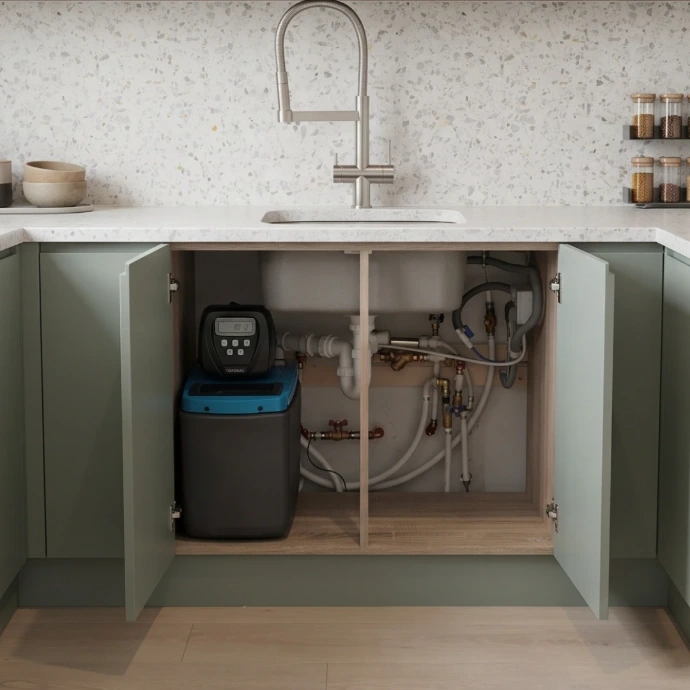
A water softener removes calcium and magnesium before the water reaches your taps. It does this through a process called ion exchange. The hardness minerals are swapped for sodium as the water passes through the resin. The result is water that lathers soap more easily and leaves less scale behind.
You may notice the difference in everyday life. Soap goes further, glasses look clearer, and washing often needs less detergent. Many families also find their appliances stay cleaner for longer.
A softener treats the whole house, so every tap, shower, and appliance benefits. It does not reduce the wider range of dissolved substances that a reverse osmosis system handles. Softened water also contains a small amount of sodium. If you follow a low sodium diet, please speak with your GP before using softened water for drinking.
Do I need a reverse osmosis?
Reverse osmosis pushes water through a very fine membrane. This removes a broad range of dissolved substances, and many people find the result tastes cleaner. The unit is normally fitted under the kitchen sink, so filtered water comes from a dedicated tap. It suits households where drinking water is the main concern, including water used for cooking and making tea.
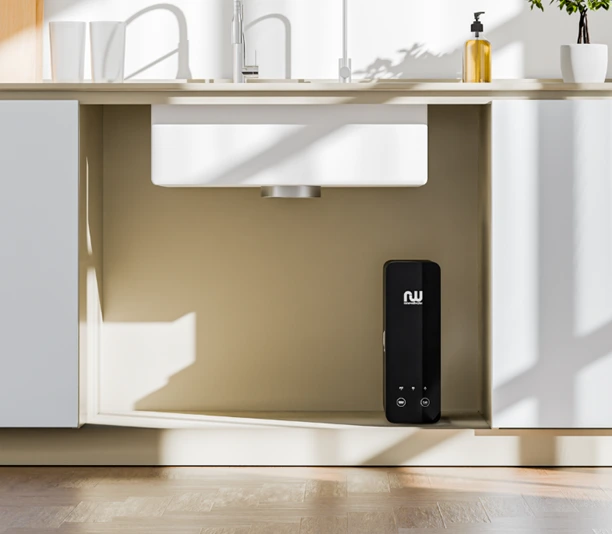
Reverse osmosis does not soften water for the rest of the house. A home with hard water will still see limescale on its taps and appliances without a softener.
Should I choose both?
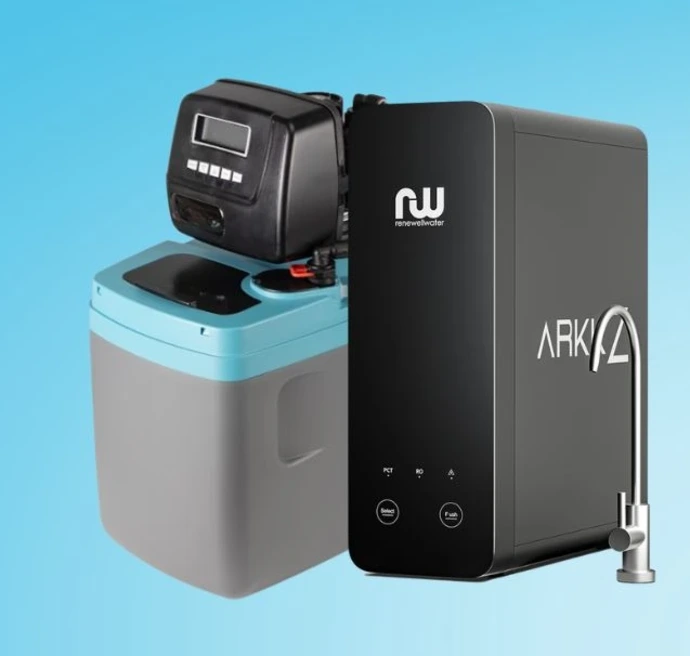
For many homes, the answer is yes. If your water is hard and you also want cleaner drinking water, the two systems complement each other. The softener protects your pipes and appliances from limescale. The reverse osmosis system gives you a cleaner glass at the kitchen tap.
Here is a simple way to decide. If limescale and appliance wear are your main problems, start with a softener. If taste and drinking water quality matter most, start with reverse osmosis. If you want whole home protection and cleaner drinking water, consider both.
Which system should you consider first?
Renewell Water is Ireland’s Number 1 rated water filtration company, and our customers share their experiences on our reviews page.
If hard water is your main concern, a water softener is the sensible starting point. The Blu Maxi is a practical choice for households dealing with hard water. You can find out whether it suits your home on our Blu Maxi product page.
Renewell Water offers a free consultation for you. Book it by clicking here.
Water is something most of us take for granted. Taking a little time to understand what flows into your home is well worth the effort.