
Hydrogen water is not new. Japanese homes have used these devices since the 1960s, and Japan's health ministry approved them as medical devices in 1965 for a narrow set of digestive symptoms. Around 200,000 units still sell there each year. Blinded trials have found better digestive comfort, and later work points to small effects on exercise tiredness and some blood readings.
I am asked about hydrogen water far more often than I was two years ago.
So rather than simply listing what hydrogen water does and does not do, I want to look at how it got here. Understanding why a trend spreads is often more useful than arguing about the trend itself.
What is hydrogen water?
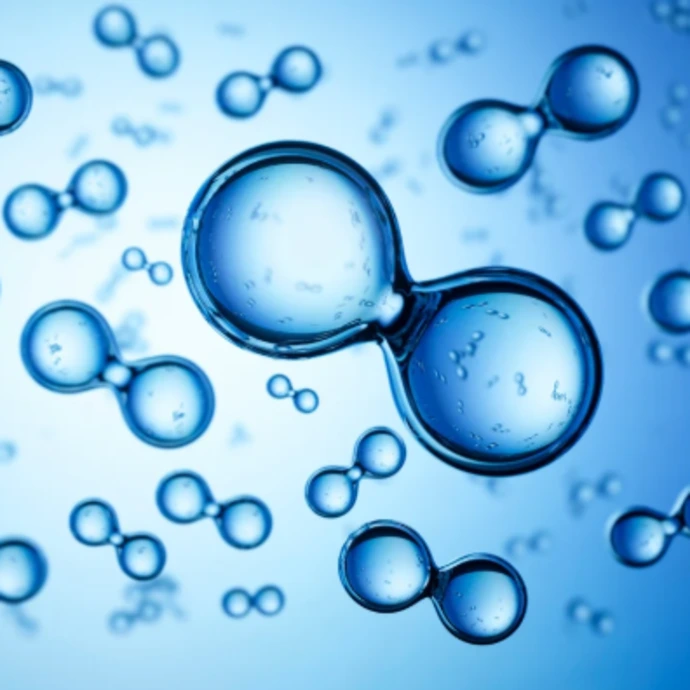
Hydrogen water is normal water with extra hydrogen gas added to it.
Water is already made of hydrogen and oxygen. These systems add loose hydrogen gas, written as H2, into the water. The taste does not change. Nor does the look of it.
It is not quite the same as alkaline water, though the two overlap and get mixed up a lot. There is a good reason for that, and I will come back to it. It is not a filter either. Some home systems clean the water first and add the gas after. The hydrogen itself takes nothing out.
How long has Japan been using it?
Longer than most people here realise. Back in 1965, the Japanese Ministry of Health signed off on water ionisers as medical devices.
The approval was narrow. It covered digestive symptoms and nothing broader. A company still cannot make or sell one there without approval, and at least eighteen firms hold it.
The scale is what surprises people. A 2024 paper on kidney care reported that roughly 200,000 units are still sold in Japan every year. Its authors took the view that this water has become part of daily life there to some degree.
So this is not a start up product with a few years of history behind it. It is a regulated household category older than most of the people buying it here.
What has the research in Japan found?
This is the part worth your time. Japan has been at it longest.
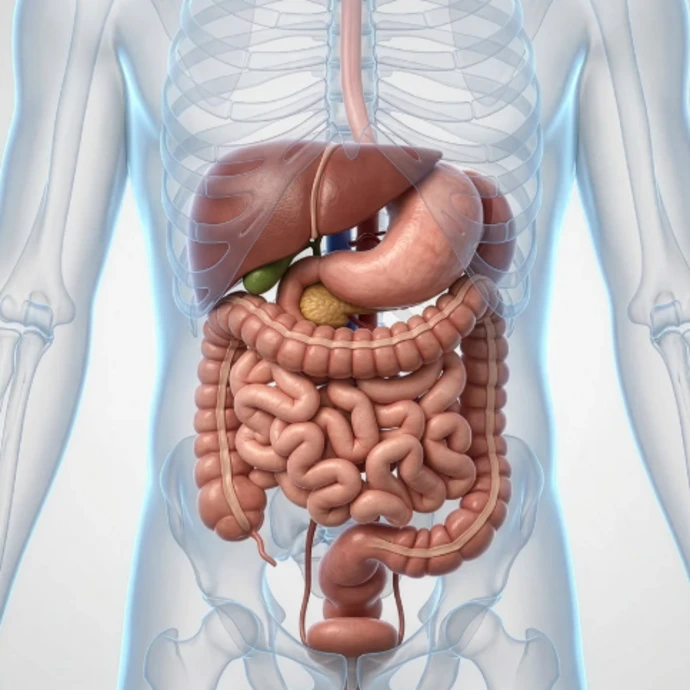
Digestive comfort. This is the oldest finding. It is also the reason the Japanese approval exists at all. Trials there gave one group the water and one group a dummy. Nobody knew which was which. The first group reported better belly comfort overall. Less discomfort, less fullness, fewer loose motions. That is an everyday sort of benefit rather than a dramatic one. But it has held up in blind testing for over twenty years.
Antioxidant activity. In 2007, a Japanese team published a paper in Nature Medicine. It showed that hydrogen acts as a picky antioxidant. It seems to go after the more harmful free radicals and leave the rest alone. That one paper opened up the whole modern field. It is also why the word antioxidant is on every hydrogen product you will ever see.
Exercise and recovery. Japanese researchers ran a trial on people after hard exercise. They measured stress markers in the urine. The hydrogen group came back lower. Others picked up that thread. A 2024 analysis pulled together 19 trials with 402 people in them. Those people said they felt about 38 percent less tired while training. Blood lactate, a marker of muscle strain, was about 42 percent lower.

Blood readings. Another 2024 analysis looked at eight trials with 357 patients. Each used a dummy drink for comparison. It found small changes in cholesterol and blood fat readings. Those adults were already having those markers checked before the trials began.
Step back and the picture is broad. A 2023 review from the University of Oslo went through 81 clinical trials. It also covered 64 published human studies. This is not a fringe subject.
Now the part I will not leave out. Most of the wider research is still early. What we have are modest, promising findings. Not promises.
Is hydrogen water safe to drink?
For most healthy adults, yes.
Hydrogen gas in water is not toxic. The published trials have not flagged safety problems. The gas simply leaves the body through the breath.
The caveat is that the trials have been short. We do not have good long term data yet, because the studies have not run long enough to give us any.
Japan does offer something the trials cannot. Decades of everyday use, by a lot of people, with no clear pattern of harm coming out of it. I find that reassuring. It is still not the same as long term trial evidence, and I would not present it as such.
Are you pregnant, taking regular medicine, or managing a health issue? Talk to your GP or your chemist before you add anything new. That goes for hydrogen water just as it goes for any supplement.
A note from Renewell Water
"Japan built its systems around electrolysis. We built ours around filtration and then added the hydrogen, so you get both properly rather than one at the expense of the other."
Simon Newell, Founder and CEO, Renewell Water
We make one of these. The Hydro+ Hydrogen Water is worth a look, and the reason has little to do with the trend.
It is a full reverse osmosis system in its own right. It takes out chlorine, lead from older plumbing and the wider load of dissolved solids. The hydrogen side then works from water that is already clean, which is the condition most of the Japanese research assumes. A dual lever tap gives you either one. Our own technicians fit it, and fitting is included.
Two jobs, done properly, from one unit.
Renewell Water is Ireland's Number 1 rated water filtration company. If you want to know what real customers think, the reviews speak for themselves. You can read them at renewellwater.com/reviews.
Renewell Water offers a free consultation for you. Book it by clicking here.
This article is for general information only. It is not medical advice and it is not a diagnosis. If you have a health concern, or you are pregnant, managing an ongoing condition, or taking regular medication, please speak with your GP or pharmacist.