
Your tap water tastes like chlorine because water suppliers add it on purpose. It kills harmful bacteria and viruses before the water reaches your home. The taste is usually a sign that disinfection is working, and it is safe at the levels used. Even so, many households still choose a chlorine filter to remove that taste from their drinking water.
It is normal. A parent fills a glass at the tap. They take a sip and pause. There is a sharp edge to it, close to the smell of a swimming pool. They want to know if that is normal. They also want to know if it is safe for their kids.
It is a fair question. The answer sits at the meeting point of chemistry and public health.
Why is chlorine in tap water?

Most drinking water in Ireland comes from rivers, lakes and streams. Surface water like this can carry bacteria, viruses and bits of organic matter. To make it safe to drink, suppliers add a set dose of chlorine during treatment. Chlorine is one of the most reliable disinfectants we have. It has been used in public water systems for over a century because it works.
Uisce Éireann follows a standard set by the World Health Organisation. It is called contact time, or Ct. It is a simple sum. You multiply the chlorine level by the number of minutes it gets to work. If a supply falls short, more chlorine gets added to make up for it. This is often when households notice a stronger taste or smell at the tap.
What you are actually tasting
The human nose is very sensitive to chlorine. Many people can pick it up at low levels, well below anything considered a health concern. That means water can be safe and still taste noticeable, especially to a sensitive drinker. A few everyday factors also play a part.
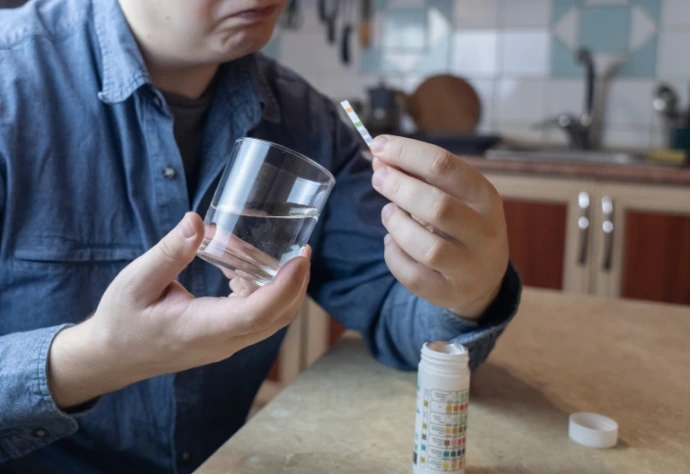
If your home is close to a treatment plant, you may taste chlorine more strongly. The water has less time to spread out before it reaches your tap. Cold water tends to hold onto chlorine longer than warm water. That is part of why a glass from the fridge can taste sharper than water left sitting out. The season matters too. Warmer months can bring more organic matter into surface water sources. This can lead to a short term rise in chlorine dosing to keep disinfection strong.
Is chlorine in tap water safe to drink?
At the levels used in properly treated supplies, yes. Chlorination is one of the most effective public health tools of the last century. The taste you notice is usually just proof that the process is working. Still, safe and pleasant are two different things. It is not unreasonable to want water that tastes clean and neutral for your family every day.
How a chlorine filter solves the problem
This is where filtration earns its place in a lot of Irish and UK kitchens. Activated carbon works through a process called adsorption. As water passes through it, chlorine molecules stick to the surface of the carbon. It is a simple method, and a well understood one. It is also highly effective at cutting both the taste and smell of chlorine in drinking water.
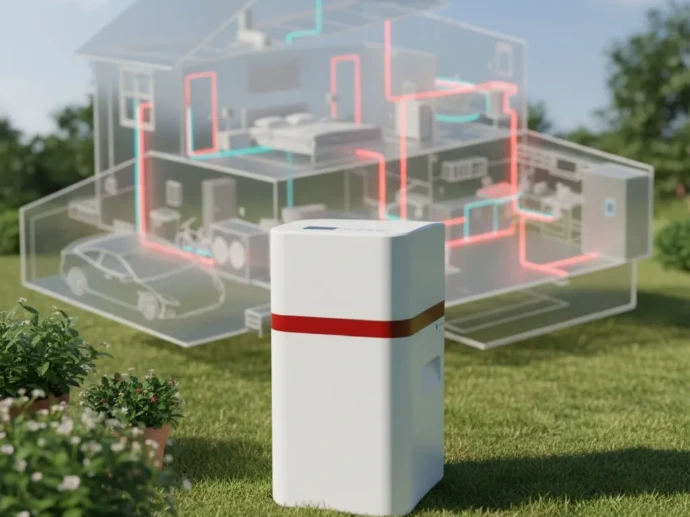
Some households notice chlorine taste at every tap, not just in the kitchen. In that case, a whole house chlorine filter treats water as it enters the property. Every tap, shower and appliance then gets water with chlorine reduced, rather than relying on one filtered tap or jug.
If chlorine taste and smell are the main issue in your home, the RED Whole House Chlorine Removal System is built for exactly this. It treats water where it enters your property. That gives you steady, better tasting drinking water at every outlet, without changing how safe the supply is.
Renewell Water customers have shared their own experience of switching to filtered water. You can read those reviews at renewellwater.com/reviews.
Renewell Water offers a free consultation for you. Book it by clicking here.