
Your home water probably needs filtering if it tastes of chlorine, leaves a film in your kettle or tea, or looks cloudy or rusty. A family that avoids the tap is another clue. Older plumbing or a supply with recent notices is another clue. Filtering the water at your kitchen tap is the simplest fix.
Why does the water at my kitchen tap matter so much?
Think about how much of your day runs through one tap. The kettle, the school bottles, the pasta water, the baby bottle, the morning coffee. In a busy family home, the kitchen tap does more work than any other.
That is why small clues are worth noticing. You do not need a lab to spot them. You just need to pay attention to what you see, smell and taste at home.
What do we know about Irish tap water?
Irish mains water is treated and tested, and most supplies meet the standards set for drinking water. The Environmental Protection Agency publishes a report each year. Its 2025 report on public supplies also lists water restriction notices placed on supplies in a number of counties.
The reasons listed include elevated iron, manganese, nitrate and chlorine levels. Most of these were short term and were lifted. They do show that water quality can vary from place to place and from month to month.
Water also changes on its way to you. It picks up minerals from rock and soil. It travels through pipes of different ages. A residual amount of chlorine is kept in mains water to keep it safe on that journey. So the water at your tap is not the same as the water leaving the treatment plant.
Here are five signs that your home water could do with filtering.
Sign 1: Does my tap water smell or taste of chlorine?

This is the most common sign. Mains water in Ireland and Northern Ireland is disinfected with chlorine, and a little stays in the water all the way to your tap. For some people it is barely there. For others it is strong enough to notice in a glass of water or a cup of tea.
A swimming pool smell is the giveaway. Many families find they drink less water at home because of it. Children are often the first to say so. If your kids ask for bottled water or add squash just to hide the taste, take note.
Sign 2: Is there a film in my kettle or on my tea?
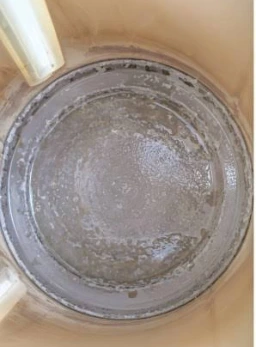
Look inside your kettle. A pale, flaky layer means your water carries a lot of dissolved calcium. You may also see a thin film floating on a cup of tea, or white spots on glasses.
Calcium is a natural part of many Irish supplies. It is not a sign that water is unsafe. But it affects how drinks look and taste, and it means regular descaling. If you clean your kettle every few weeks, your water is trying to tell you something.
Sign 3: Does my water ever look cloudy or rusty?
Run the cold tap for a few seconds after a long break. Cloudy water, a brown tint or tiny specks can point to sediment or rust from pipes. Metallic tastes and orange marks on a white sink are other clues.
Often this is short lived and clears after the tap has run. But if you see it again and again, it is worth acting on. Nobody wants to fill a baby bottle or a lunch flask with water they are unsure about.
Sign 4: Is my family avoiding the tap?
This one is easy to miss. Count how many bottles of water you buy in a month. Notice whether the jug filter in the fridge gets used, or whether it has become an extra chore.
Buying bottled water costs money, fills the recycling bin and means lifting heavy packs from the car. If your household has quietly stopped trusting the tap, that is a clear sign. A good filter can bring that trust back.
Sign 5: Do I have older pipes or a supply with notices?
Think about the age of your home. Older houses may have older plumbing, and older pipes are a common reason for rusty or metallic tasting water. A recent renovation can also stir up sediment.
You can also check your own supply. Your local water provider can tell you if your area has had a notice or a recent change. If your home is on a private well or a supply with a history of notices, filtering at the tap gives extra peace of mind.
What should I do if I notice more than one sign?
One sign could be a one off. Two or three together make a clear case. Start by writing down what you noticed and when. Share it with your water provider if you think there is an issue with your supply.
Then think about the water you use most. For most families that is the water they drink and cook with. Treating that water at the kitchen tap is a practical first step. It does not change your pipes or your plumbing. It simply cleans the water at the point you use it.
Which filter suits a family kitchen?
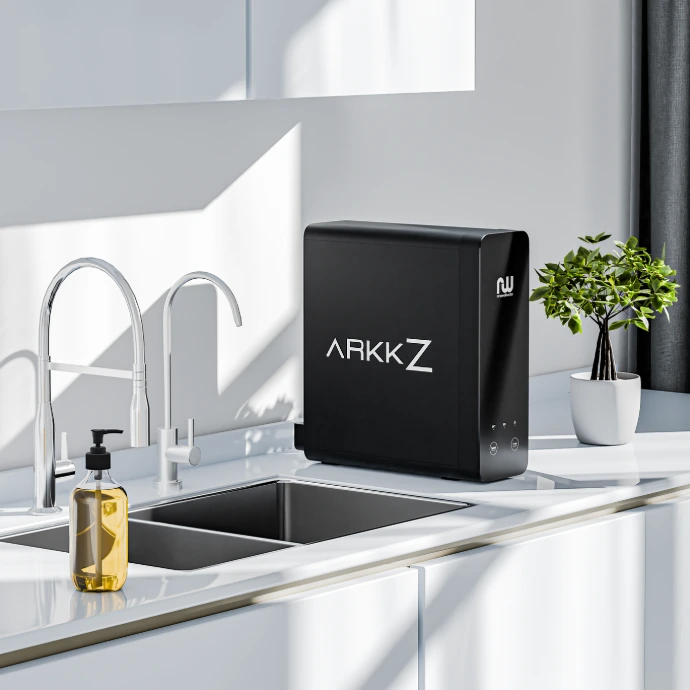
A reverse osmosis system is widely regarded as the gold standard for home drinking water. The ArkkZ Water Filtration System from Renewell Water sits neatly under your kitchen sink. It filters the water you drink and cook with, and it is designed to reduce chlorine, heavy metals, nitrates, limescale and sediment.
Renewell Water is Ireland's Number 1 rated water filtration company. You can read what customers say at https://renewellwater.com/reviews. Our own technicians handle the installation, so there is nothing for you to organise. You can see the full details of the ArkkZ Water Filtration System.
If you noticed even one of these signs today, your kitchen tap is worth a closer look. Your kettle, your tea and your family will notice the difference.
Renewell Water offers a free consultation for you. Book it by clicking here.