
For most homes in Ireland, yes. The Environmental Protection Agency’s 2025 report finds that public supplies meet drinking water standards at a very high rate. Uisce Éireann reports compliance above 99.8% across bacterial and chemical tests. Some risks remain, including lead pipes, chlorine byproducts and private wells, so it helps to know where your water comes from.
Turn on a tap in Dublin, Cork or Galway and the water looks clear and smells neutral. Clear water does not always tell the full story, though. Safety depends on the source, the treatment process and the condition of the pipes.
If you are raising children, the question feels personal. Children drink more water for their body weight than adults do, so differences in quality can matter more for them.
Is Ireland’s Public Water Supply Safe?
Public supplies are closely monitored. The EPA’s Drinking Water Quality in Public Supplies 2025 report was published in July 2026. It finds that water supplied to over four million people meets high standards. Compliance means test results fall within the legal limits.
Which Contaminants Still Need Attention?
Compliance figures are reassuring, but a few substances need closer watching.
Trihalomethanes (THMs). Chlorine keeps germs in check. However, it can react with natural organic matter to form THMs. EPA research links peatland in water catchments to higher levels. The agency has described THMs as possible carcinogens, which is why regulators set limits on them. The State of the Environment Report 2024 notes that more supplies have been added to the EPA action list because of THMs.
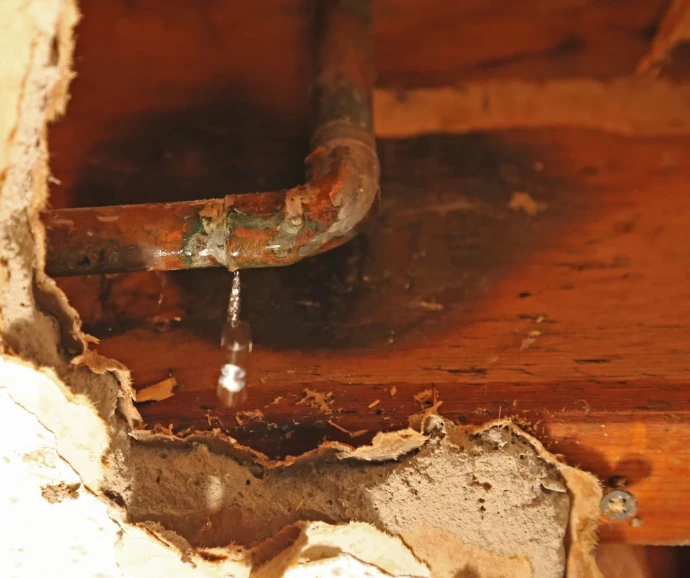
Lead. Lead usually enters water through old pipes and fittings, not at the treatment works. Young children are of particular concern because lead can affect brain development. The same report notes limited progress in replacing lead pipework. EU rules will also halve the permitted lead level, from 10 to 5 micrograms per litre, by January 2036.
Pesticides and PFAS. Pesticide failures were recorded in 24 supplies in 2025. PFAS, a group of long lasting industrial chemicals, are a growing focus, and new standards are being introduced to cover them.
Is Water From a Private Well Safe?
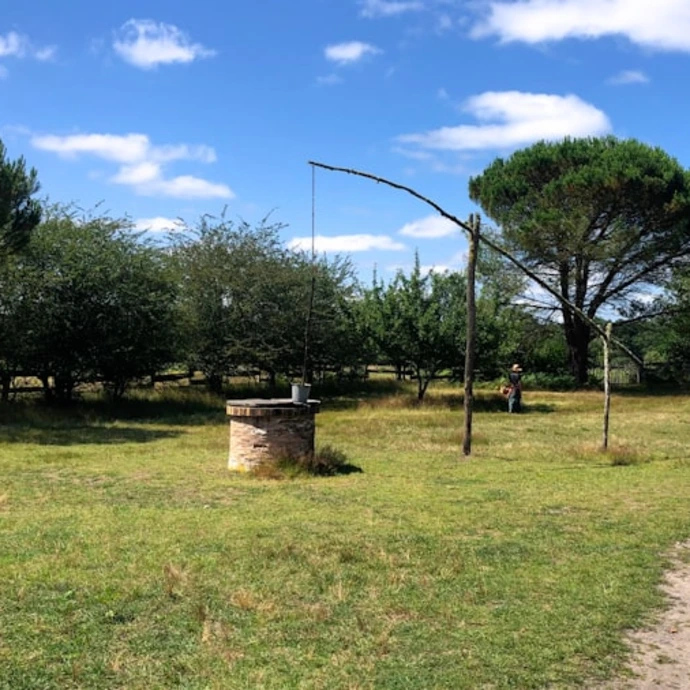
Around 12% of the population relies on a private supply such as a well, according to the State of the Environment Report 2024. The EPA’s private supply findings show that 67 small schemes failed the E. coli standard in 2025, a compliance rate of around 95%. Bacteria are the main concern here, so regular testing matters.
Why Does This Matter for Your Family?
Most of these substances occur at low levels, and the EPA says public supplies are safe to drink. The real concern is exposure over time, particularly to lead. If your child has ongoing symptoms or you have persistent worries about their health, speak to your GP.
How Can I Check My Water Supply?
Start with your water bill, which shows whether you are on a public supply from Uisce Éireann. Private well owners should arrange regular testing through an accredited laboratory. If your home is older, ask a qualified plumber to check for lead pipework.
Can a Filter Make Tap Water Safer?
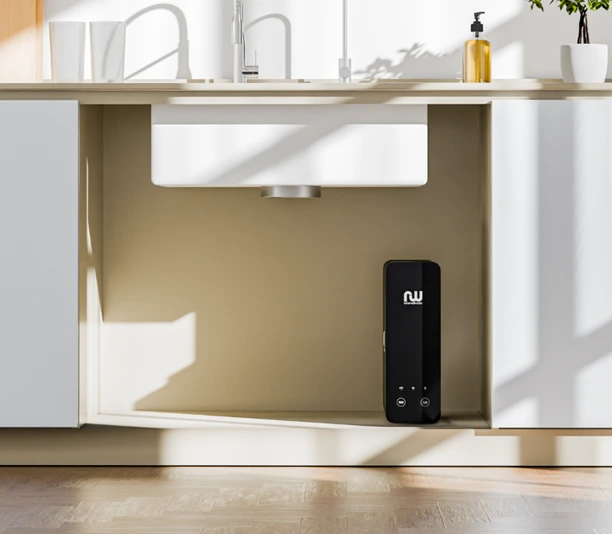
Reverse osmosis can remove many dissolved contaminants, including lead and nitrates, when the system is installed and maintained properly. If you want to reduce these at your kitchen tap, the ArkkZ water filtration system is a practical option to consider.
Renewell Water is Ireland’s Number 1 rated water filtration company. You can read customer reviews at renewellwater.com/reviews.
Renewell Water offers a free consultation for you. Book it by clicking here.